Access control replaces keys with credentials you can actually manage: fobs, cards, codes and intercoms that you control from one interface. We design and install access control systems for offices, shared buildings, dealerships, trades and multi-residential properties across Kitchener, Waterloo, Guelph and Cambridge — and we do the work with our own technicians, from the first site walk to the final handover.
When a business needs access control
Keys work until someone doesn't give one back. The usual tipping points we see: staff turnover that forces a rekey every few months, a cleaner or contractor who needs after-hours entry, or a moment where the owner realizes they have no idea how many copies of the front-door key exist. A fob or code system changes the math. When someone leaves, you deactivate their credential in a minute instead of calling a locksmith. You also get an audit trail — a record of which credential opened which door, and when. For a medical office in Kitchener with controlled storage, or a shared business centre in Waterloo with tenants coming and going, that record matters as much as the lock itself.
Door hardware and electrical coordination
The electronics are the easy part. The door is where projects succeed or fail. Every controlled opening needs the right hardware for how that door is built and used: an electric strike for a standard latch door, a maglock where the frame and fire rating allow it, and a request-to-exit (REX) device so people leaving never feel locked in. Fire code has the final say — doors on an egress path must release on alarm and on power failure, and that coordination happens with your door supplier and, where required, the fire alarm contractor. We walk every door before quoting, note the frame material, the closer, the existing hardware, and flag anything that needs a door company's involvement. Surprises at install time are almost always door surprises, so we settle them on the site walk.
Platforms we install
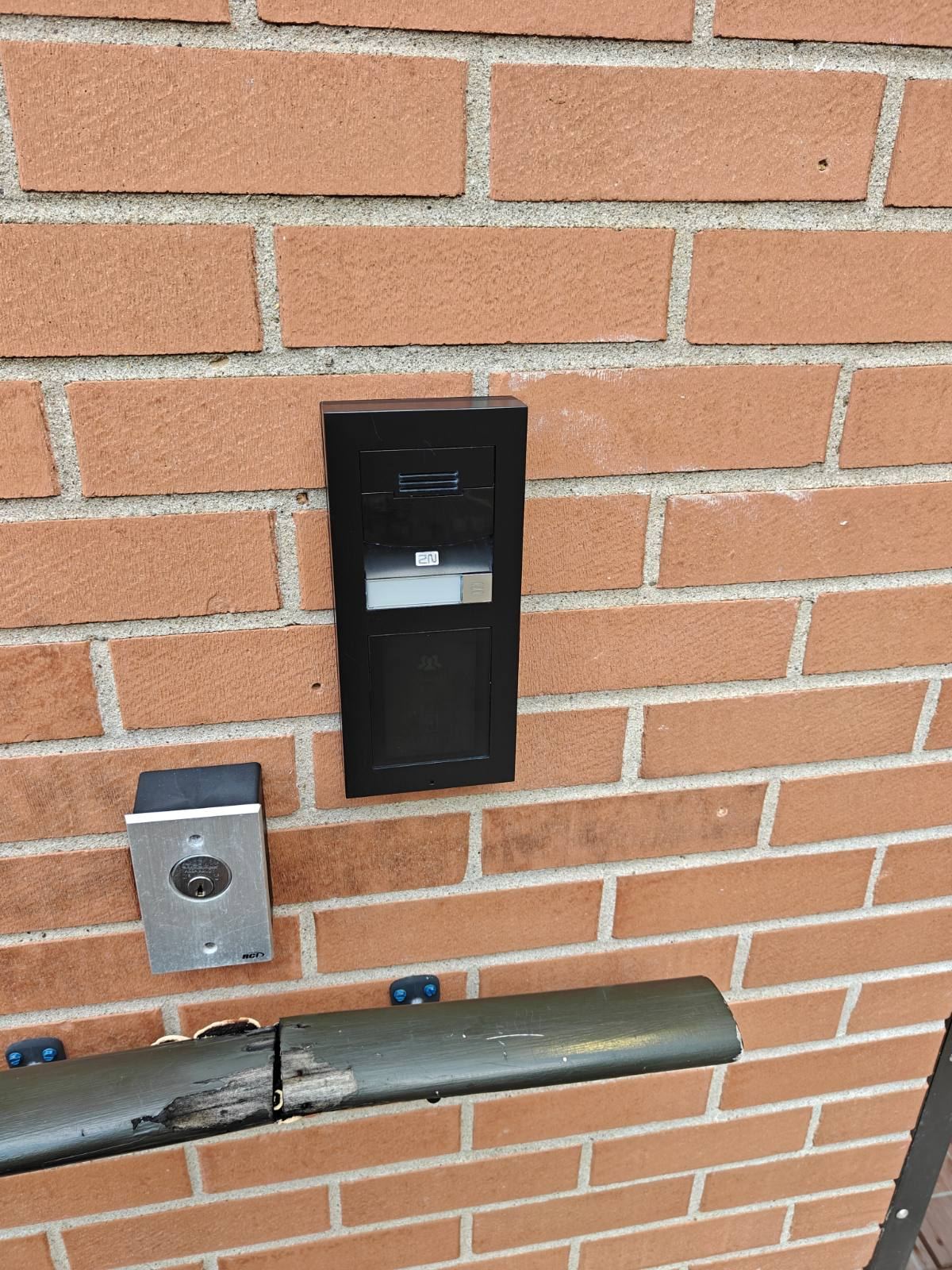
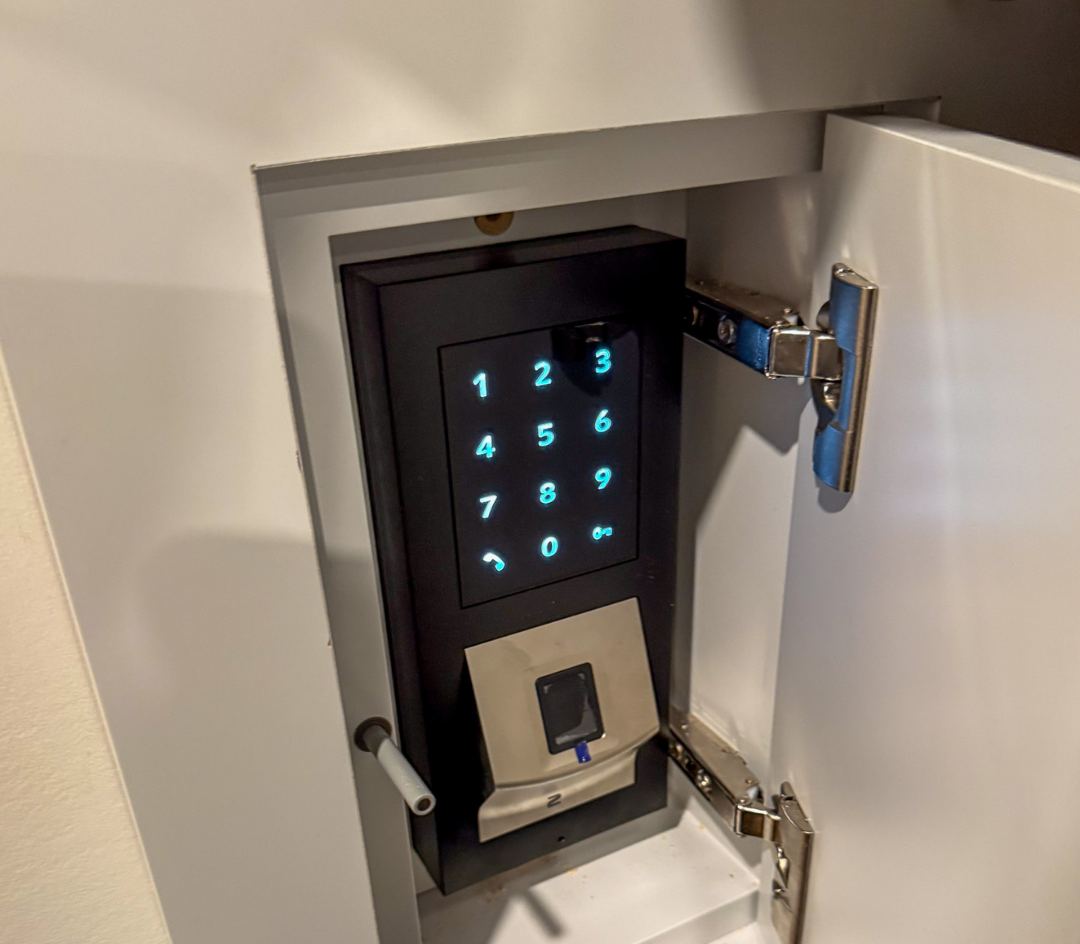
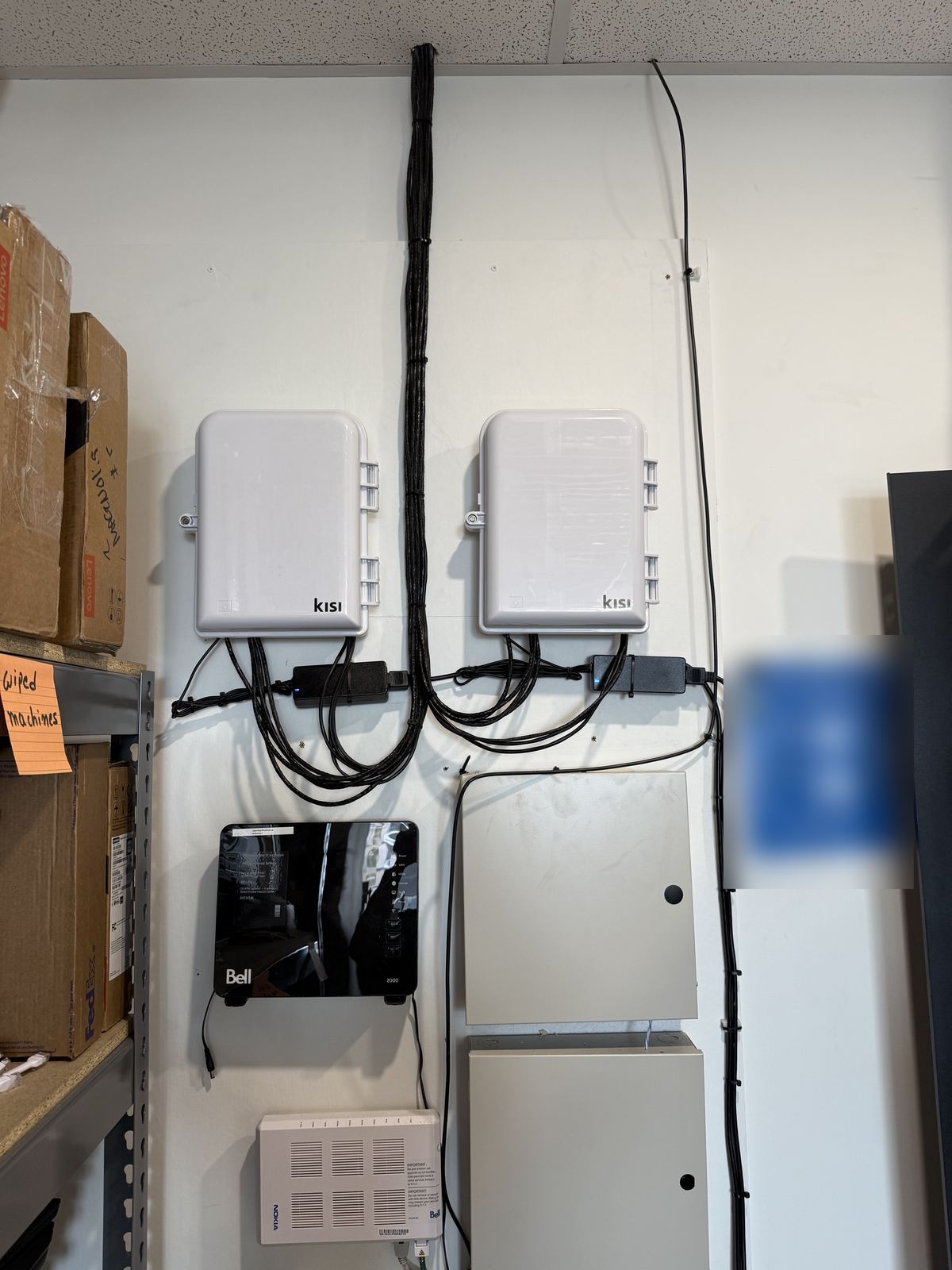
For most small and mid-sized sites we install UniFi Access — door controllers, readers and intercoms that run on your network and are managed from a single interface, with no per-door licensing fee. For entrances that need a proper visitor experience we use 2N intercoms and entry units: video calling to a desk phone or mobile app, card readers, keypads and biometric options built into one weather-rated unit. Both platforms are equipment we install and service ourselves, and both integrate with the networking and camera work we already do in the same buildings.
Cloud management and day-to-day administration
The point of a modern system is that you stop thinking about it. Adding a new employee means creating a credential, not cutting a key. Removing one takes seconds and applies instantly. Schedules handle the rest: the front door can unlock at 8:30 and lock at 5:30 on its own, while the server room stays restricted to three people around the clock. We set up the initial users, doors and schedules with you, then hand over administration with a walkthrough so your office manager can run it. If you'd rather not touch it, we can manage changes for you.
Intercoms and visitor entry
A locked front door creates a new problem: how do visitors, deliveries and clients get in? A video intercom at the entrance solves it. Visitors call from the door station; staff see and speak to them from a desk handset or their phone and buzz them in. For a car dealership in the region, that might mean a service-entrance intercom that rings the parts desk. For a multi-residential entry, it means tenants granting access without walking downstairs. We size the intercom to the entrance — a simple call station where that's enough, or a full video unit with a built-in reader where staff also enter through the same door.
Integration with cameras and alarms
Access control gets more useful when it talks to the rest of the building. A door forced open can pull up the camera covering that entrance. An alarm arming at night can confirm every controlled door is locked first. Because we also install the cameras, alarm systems and networks in these buildings, the integration is designed in from the start rather than bolted on by three separate contractors who never speak to each other.
Taking over an existing system
If your building already has access control — an aging panel, a vendor who stopped returning calls, fobs nobody can reprogram — we can usually take it over. We start with an audit: what the panel is, what the door hardware is, what's worth keeping. Often the strikes, maglocks and readers are fine and only the controller and software need replacing. We'll tell you plainly what's reusable and what isn't, and what each option costs in effort before you commit.
Who it's for
Most of our access control work is for medical and professional offices that need audit trails and restricted rooms, shared business centres with constant tenant turnover, dealerships balancing showroom access with service security, construction and trade offices with yards and early starts, and multi-residential entries that need intercom and fob access together. Homes with staff, short-term rentals or detached workshops benefit from the same approach at a smaller scale.
Our process
- 1
Site walk
We walk every door with you, note hardware, frames and egress requirements, and listen to how people actually move through the building.
- 2
Door schedule
You get a written door schedule: each opening, its hardware, its reader, and anything needing a door supplier or fire contractor.
- 3
Quote
A fixed quote based on the door schedule — no allowances that grow later.
- 4
Install
Our own technicians install controllers, readers, strikes and intercoms, coordinated with your door supplier where needed.
- 5
User setup
We load your users, credentials and schedules, and test every door both directions.
- 6
Handover
A walkthrough for whoever will administer the system, plus documentation of what was installed and where.
Common questions
How much does an access control system cost?
It depends on the number of doors and the hardware each door needs — a single office entrance with an electric strike is a very different project from a multi-tenant building with maglocks and intercoms. After a site walk we provide a fixed quote based on a written door schedule, so the number you approve is the number you pay.
Can you take over our existing access control system?
Usually, yes. We audit the existing panel, readers and door hardware first. Strikes, maglocks and readers are often reusable; the controller and software are what typically need replacing. We'll tell you what's worth keeping before you commit to anything.
What happens when an employee leaves?
Their fob, card or code is deactivated in the management interface in under a minute, and it stops working immediately. There's no rekeying and no wondering how many copies of a key exist. The system also keeps a log of which credential opened which door and when.
Do controlled doors still meet fire code?
Yes — when they're designed correctly. Doors on an egress path must release on fire alarm and on power failure, and we coordinate that with your door supplier and fire alarm contractor where required. This is settled during the site walk and door schedule, not at install time.
Can the front door unlock on a schedule?
Yes. Doors can follow schedules — for example, unlocking at opening time and locking at close — while restricted areas like server rooms stay limited to specific people at all hours. Schedules, holidays and exceptions are all managed from the same interface.