
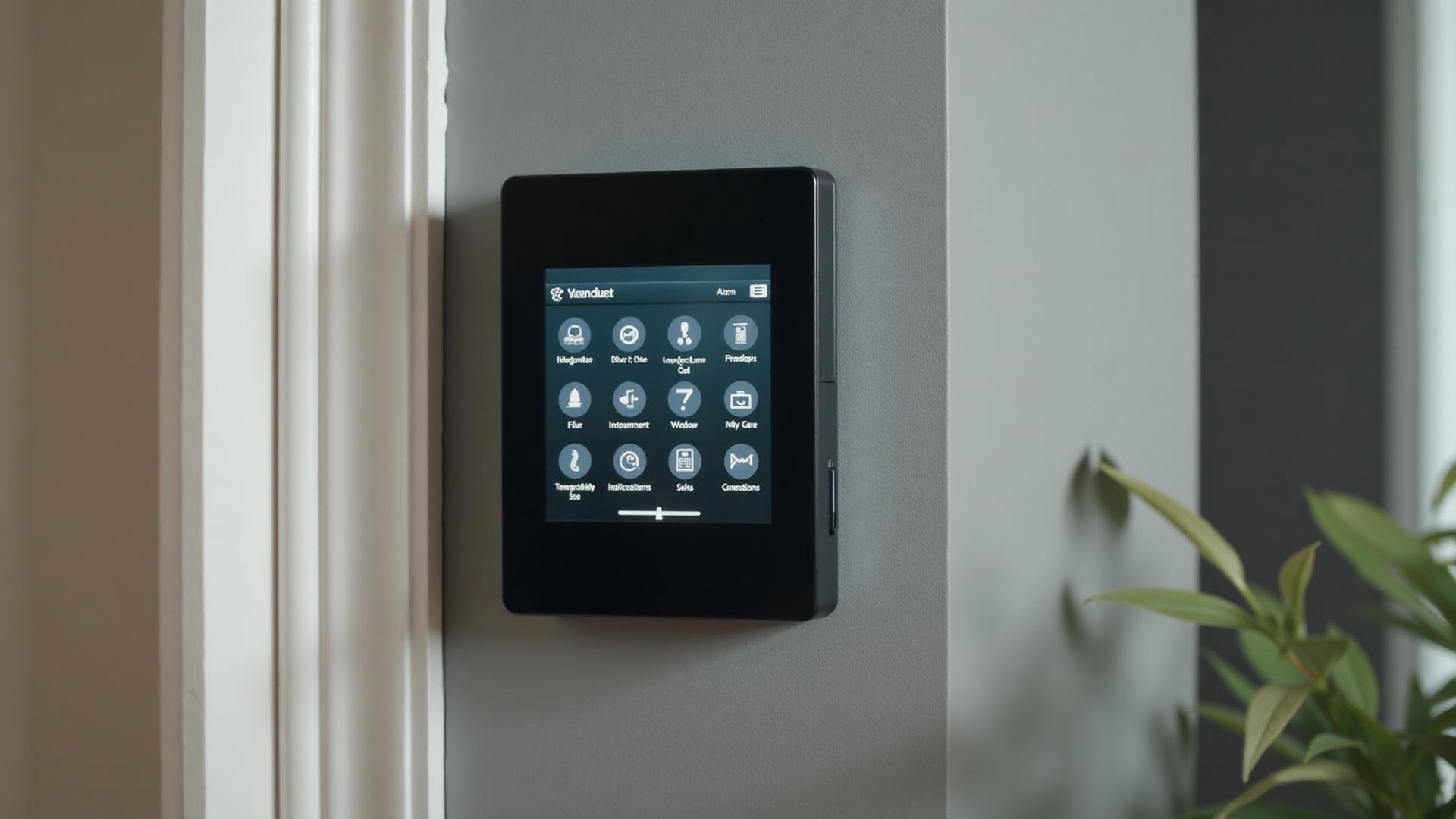
Cambridge is not one housing pattern. An established house in Galt, a property near Preston and a newer home in Hespeler can have very different entrance layouts. Security planning starts by walking the routes into the building: front door, garage, patio, lower level and any separate work area. We then build an alarm scope around those routes and your daily habits, with clear choices about self-managed alerts and professional monitoring.
Older layouts need a closer look
Some Cambridge homes have additions, basement entrances or doors that were never part of an original alarm installation. A panel inherited from a previous owner may still be on the wall, but that says little about whether all the contacts work. We test what is actually there and identify unprotected openings before talking about a replacement. For a home near the Grand River in Galt, the best next step may be improving coverage of a lower-level entry. Elsewhere, a simple reset of the entry strategy could be more valuable than adding devices everywhere.
Build layers, not clutter
Perimeter contacts tell the system when selected openings are used. Motion sensors add coverage inside when the building should be empty. Those layers work best when each has a defined purpose. We consider where people and pets move, which doors are used most often and whether any spaces remain occupied while the rest is armed. A garage workshop in Hespeler, for example, may call for a different arming routine than a main-floor living room. We explain the trade-offs so the finished system is straightforward to live with.
Wireless where it makes sense
Ajax wireless alarm products offer a practical path for many completed interiors. They can reduce invasive wiring work, but device placement and communications still need to be planned. We consider hub location, connectivity, power and future battery checks as part of the design. If useful wired sensors already exist, those deserve an inspection too. We do not assume that wireless is always better, or that an existing system should be discarded solely because it is older. The recommendation follows the condition of the home and the protection you need.
Decide who responds
A self-managed alarm can notify a phone when a configured event occurs. A 24/7 professional monitoring arrangement adds a separate response process and generally an ongoing service plan. If you spend extended periods away from a Cambridge property, that difference may be important. We outline the options and make the recurring commitment clear rather than folding it into the price of installation. Whichever approach you choose, current contact information and routine system tests remain part of responsible use.
See the approaches, not just the doors
A camera at a driveway or main entrance can add context before you decide how to respond to an alert. In Preston, where property lines and approach routes can vary considerably, sight lines should be checked on site rather than assumed from an aerial image. Cameras do not replace contacts or interior detection, and an alarm does not record a useful image by itself. We can plan camera coverage alongside the alarm and explain storage, app access and who can retrieve footage.
Plan for changes after installation
A renovation, a new tenant, a shift to working from home or a change in how the garage is used may all change the right arming strategy. We show owners how to manage users and understand system warnings, and we document the installed scope so later adjustments are easier. A well-planned Cambridge installation should be maintainable and adaptable, not a locked-in bundle. Tell us about pending renovations during the consultation; we can distinguish what makes sense now from what should wait until the layout is final.
From assessment to a useful quote
Before we quote, we ask about occupancy, pets, travel and any previous alarm experience. If you want monitoring, we can discuss the continuing arrangement separately from installation. If you prefer self-managed alerts, we explain how those alerts would reach the people responsible for acting on them. This is also a good time to point out future construction or a planned garage conversion. The consultation lets us decide which openings need attention now and which choices can remain flexible until the work is finished.
Common questions
Can you assess an inherited Cambridge alarm?
Yes. We check the panel, sensors, communication and ownership details before recommending reuse, repair or replacement. Compatibility cannot be assumed without inspection.
Will wireless installation damage finished walls?
Wireless devices can reduce new cable runs in finished spaces. Mounting and power requirements still vary, so we explain the installation approach for your property.
Does an alarm include police dispatch?
An app notification alone does not provide dispatch. Ask us about available professional monitoring plans and their response procedures if that service is important.
Can a garage be covered separately?
Often, yes. We look at its doors, access to the house and how the space is used before specifying sensors or an arming routine.